
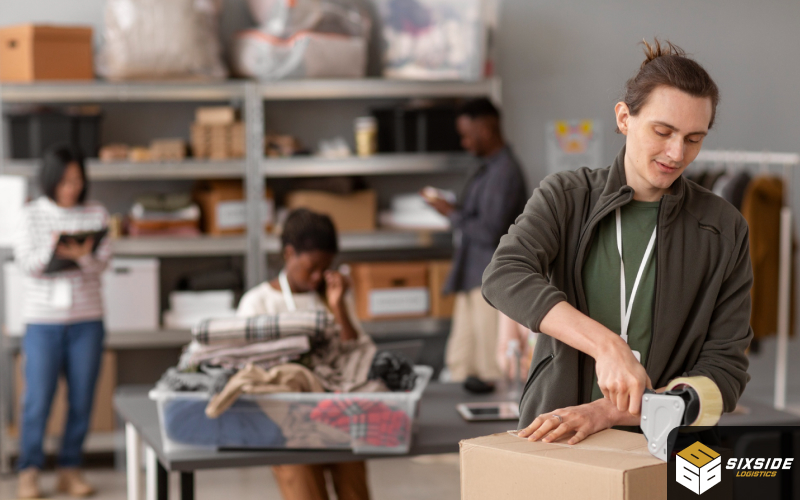
In the world of logistics and fulfillment, two processes: repacking and kitting are essential for optimizing operations, improving customer experience, and enhancing overall business efficiency. These processes can streamline your supply chain, reduce shipping costs, and provide greater flexibility in fulfilling customer orders. But what exactly are repacking and kitting, and how can they benefit your business?
In this comprehensive guide, we’ll dive deep into both repacking and kitting, explaining the differences, the advantages, and how businesses in Canada and the U.S. can use these techniques to stay ahead of the competition.
What is Repacking?
Repacking refers to the process of removing products from their original packaging and placing them into new packaging. This often happens to consolidate products, rebrand them for retail, or ensure that the packaging aligns with specific shipping requirements.
Types of Repacking
Repacking can vary based on business needs, and it can involve several different approaches:
- Product Consolidation: When multiple smaller items are repacked into a single larger package to optimize shipping and reduce costs. For example, a business might take individual items that are often bought together and package them as a set to improve efficiency.
- Rebranding: Some companies repack products to include customized packaging that matches their brand identity. This is especially common in industries like beauty, health supplements, and food.
- Customization: Businesses may repackage products to meet specific customer or market demands, such as creating gift sets or promotional bundles.
- Repackaging for Compliance: Certain products, like food, beverages, or electronics, must be packaged in a specific way to comply with regulations. Repacking ensures that goods meet the necessary legal requirements.
Benefits of Repacking for Businesses
Repacking offers several advantages that businesses can capitalize on, especially in today’s competitive marketplace:
- Cost Efficiency: By repacking products into bulk quantities or packages tailored to specific needs, businesses can reduce shipping costs and better utilize storage space.
- Customization: Repacking allows businesses to create personalized product bundles, which can enhance brand identity and appeal to consumers’ desires for curated or unique experiences.
- Optimized Inventory: Repacking products to align with sales trends, promotions, or customer demand allows businesses to move inventory more effectively.
- Compliance and Branding: Repacking ensures that your products adhere to packaging regulations while also providing an opportunity to reinforce your brand’s identity.
Example of Repacking in Action
A U.S.-based electronics retailer receives individual smartphone accessories from suppliers. However, they often find that their customers prefer buying these accessories in bundled kits—charging cables, phone cases, and screen protectors together. To streamline operations, the retailer repacks these accessories into attractive bundles, which improves sales and reduces inventory handling by shipping out products that are already grouped.
What is Kitting?
Kitting is a specific process in fulfillment and manufacturing where individual items or components are assembled into ready-to-ship kits. A kit typically consists of multiple items that, together, make up a final product. This is commonly done in industries such as e-commerce, retail, and assembly manufacturing.
Types of Kitting
Kitting can occur in several different ways depending on the industry:
- E-commerce Kits: These are sets of products packaged together for sale as a single item, like a beauty kit or a DIY craft kit.
- Subscription Boxes: Many subscription-based services use kitting to create monthly boxes with a selection of items that fit a particular theme (e.g., food, beauty products, or hobby kits).
- Assembly Kits: In manufacturing, kitting often involves grouping together all the necessary parts or components required to assemble a product. This is common in industries like automotive, electronics, and furniture.
- Promotional Kits: Businesses often create promotional kits or packages that include several different products at a discounted price. These kits are typically marketed during special events or sales periods.
Benefits of Kitting for Businesses
Kitting provides a number of distinct advantages that can benefit various businesses:
- Increased Efficiency: By preparing the items needed for a product assembly or order fulfillment in advance, businesses can drastically reduce the time it takes to assemble or ship products.
- Improved Inventory Management: Kitting allows businesses to more easily track products and manage their inventory, especially when dealing with bulk items or components.
- Enhanced Customer Experience: By offering pre-assembled kits, businesses can create a more streamlined shopping experience, allowing customers to purchase everything they need in one package, reducing the time spent shopping for individual items.
- Reduced Errors: By preparing all necessary components in advance, businesses can avoid mistakes in picking and shipping, ensuring the right products get to the right customers.
Example of Kitting in Action
A Canadian e-commerce company that sells outdoor gear might create a “Camping Starter Kit” that includes a tent, sleeping bag, and cooking equipment. Instead of each item being sold separately, the kit allows customers to buy everything they need for their trip in one easy package. This approach reduces order fulfillment time and increases the average order value, providing customers with more convenience and driving higher sales.
Repacking vs. Kitting: Key Differences
Although both repacking and kitting involve changing the packaging of products, they serve different purposes and are used in different contexts:
| Aspect | Repacking | Kitting |
| Definition | The process of re-packaging products for various reasons (e.g., bulk packaging, compliance, or rebranding). | The process of grouping several individual products into a kit or set. |
| Purpose | Typically for bulk sales, compliance, or rebranding. | Designed for bundling complementary products for sale together. |
| Inventory Control | Repacking focuses on adjusting packaging to optimize storage and shipping. | Kitting involves creating a product bundle, which simplifies inventory tracking and increases sales. |
| Use Case | Suitable for products that need repackaging for efficiency or compliance. | Ideal for creating packages of complementary products to enhance customer experience. |
When to Use Repacking and Kitting
- Repacking is ideal when your business needs to optimize packaging for shipping, comply with regulations, or create customized product presentations.
- Kitting is a better option when you want to offer customers product bundles, streamline assembly, or offer curated collections that align with specific customer needs or seasonal promotions.
How Repacking and Kitting Benefit E-Commerce and Retail Businesses
For businesses in Canada and the U.S., especially in the e-commerce and retail industries, both repacking and kitting can significantly improve efficiency and profitability. Here’s how these processes can help:
1. Reduce Shipping Costs
By repacking items into bulk packages or kits, businesses can minimize packaging material use and optimize shipping. Bulk shipping is often more cost-effective, and product kits tend to weigh less than individual items, reducing shipping expenses.
2. Increase Order Value
By offering pre-assembled product kits, businesses can encourage customers to purchase more items at once, increasing their average order value. For instance, kitting products like beauty sets or meal prep bundles can appeal to customers looking for convenience, leading to higher sales.
3. Improve Operational Efficiency
Both repacking and kitting streamline inventory management and reduce errors during order fulfillment. Repacking allows businesses to consolidate stock, while kitting ensures all required items are ready to ship together, reducing pick times and avoiding stockouts.
4. Enhance Customer Experience
Customers appreciate convenience, and product kits make it easier for them to purchase everything they need in one go. Whether it’s a camping kit or a home improvement kit, bundling complementary products together makes shopping easier and more satisfying.
FAQs About Repacking and Kitting
1. What’s the difference between kitting and bundling?
Kitting involves creating a package with specific items that are grouped together to form a complete product or solution. Bundling, on the other hand, refers to offering multiple products at a discounted price but without necessarily combining them into one cohesive kit.
2. Why is kitting important for e-commerce businesses?
Kitting helps e-commerce businesses streamline operations by reducing the time spent picking and packing individual products. It also improves inventory control and enhances the customer shopping experience, making it easier for customers to buy everything they need in one convenient package.
3. How does repacking help reduce shipping costs?
Repacking helps reduce shipping costs by consolidating products into bulk quantities or optimizing packaging. By minimizing the number of packages being shipped and using less packaging material, businesses can reduce their shipping fees.
4. When should I consider using kitting in my business?
Consider using kitting when you have complementary products that you want to sell as a bundle, such as gift sets, seasonal packages, or DIY kits. Kitting can help increase sales, improve customer satisfaction, and streamline your fulfillment process.
5. Can repacking help with compliance?
Yes, repacking is often necessary for products that need to comply with regulations, such as food products, electronics, or health-related items. Repacking ensures that products are packaged according to the required legal standards.
Conclusion
Repacking and kitting are powerful tools that can help businesses reduce costs, improve operational efficiency, and enhance customer satisfaction. By integrating these processes into your logistics and fulfillment strategies, businesses in Canada and the U.S. can stay competitive in today’s fast-paced market. Whether you’re looking to reduce shipping costs, increase sales, or improve inventory management, repacking and kitting are essential strategies to optimize your supply chain.
If you’re ready to take your business operations to the next level, contact us today for personalized solutions to streamline your supply chain solutions.