
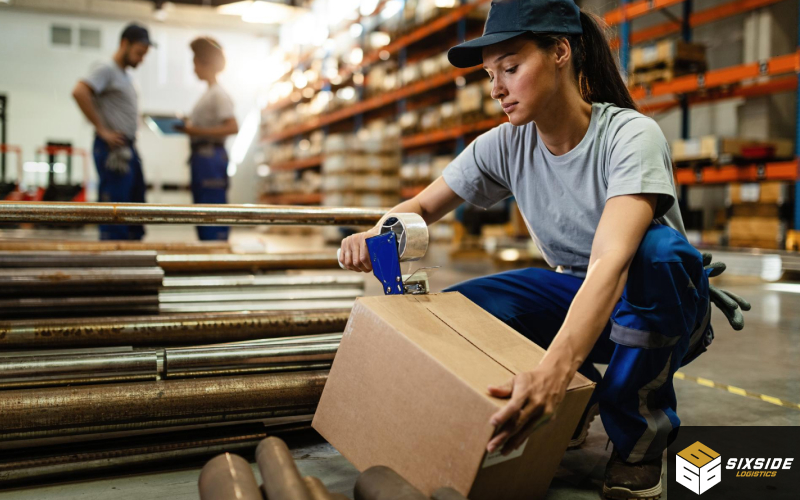
In the world of logistics, supply chain management, and e-commerce, terms like kitting, bundling, and assembly are often used interchangeably. However, while they may seem similar at first glance, each process has unique characteristics and offers different benefits to businesses, especially in terms of improving operational efficiency, customer satisfaction, and inventory management.
In this comprehensive guide, we’ll explore the difference between kitting, bundling, and assembly, highlighting what each term means, their key differences, and how businesses in Canada and the U.S. can utilize them to streamline operations and increase profitability.
What Is Kitting?
Kitting refers to the process of combining multiple individual items or components into a single, pre-packaged kit. These kits are typically designed to be sold as one product to the customer, which simplifies the buying process and improves customer experience. Kitting is commonly used in e-commerce, manufacturing, and retail industries to streamline fulfillment processes and optimize product offerings.
Key Characteristics of Kitting:
- Pre-Assembled Kits: Kitting involves gathering a set of components and packaging them together as a single unit.
- Ready-to-Ship: Kits are often created and stored in a way that they’re ready for direct shipping to customers or retailers.
- Multiple Products in One Package: The kit can consist of several products, such as accessories, parts, or tools, that complement each other. For example, a DIY home improvement kit might include a hammer, nails, and screws, all packaged together.
Benefits of Kitting:
- Enhanced Customer Convenience: Customers enjoy the ease of purchasing a complete set of products they need, without having to hunt for individual items.
- Improved Inventory Management: Kitting helps businesses track and manage individual components that might not sell well on their own, but together create a more attractive offering.
- Higher Sales Volume: By grouping complementary items, businesses can sell more products at once, often increasing the average order value.
Example of Kitting in Action:
An online retailer specializing in outdoor gear might create a “Camping Survival Kit” that includes a tent, sleeping bag, lantern, and cooking utensils. Customers looking to buy camping equipment can quickly purchase this kit, which offers everything they need in one convenient package.
What Is Bundling?
Bundling is the practice of offering multiple products together at a discounted price. Unlike kitting, where the items are often packaged as a single unit, bundling simply means that the products are grouped together for promotional purposes, with the goal of encouraging customers to purchase more by offering a better price than if they bought each item separately.
Key Characteristics of Bundling:
- Discounted Package: Bundles are often sold at a lower price compared to the sum of individual items, enticing customers to buy more.
- Separate Items: While the items are marketed together, they may still be packaged and shipped separately. In bundling, each product often remains in its original packaging.
- Non-Complementary or Complementary Products: Bundling can include either related items (e.g., a toothbrush with toothpaste) or a collection of items that aren’t necessarily related but are sold together at a better price (e.g., a set of books or DVDs).
Benefits of Bundling:
- Increased Sales and Average Order Value: Offering a discount on a bundle encourages customers to buy more, thereby increasing the average order size.
- Inventory Clearance: Bundling can help businesses clear out older or slower-moving inventory by pairing it with more popular products.
- Enhanced Perceived Value: Customers perceive bundles as a better deal, even if the individual products aren’t drastically discounted, because they see the value in buying more for a lower price.
Example of Bundling in Action:
A U.S. e-commerce store selling kitchen appliances might bundle a blender, toaster, and coffee maker together at a special price. While each item is sold separately, the bundle offers a discounted price for purchasing the entire set, making it a great deal for customers looking to update their kitchen appliances all at once.
What Is Assembly?
Assembly refers to the process of taking individual components or parts and assembling them into a finished product. This is typically used in manufacturing and product production but can also apply to products that require some form of construction or configuration before they’re ready for sale.
Key Characteristics of Assembly:
- Combination of Parts: Assembly involves putting together various parts to create a functional product, such as assembling electronics or furniture.
- Complexity: Unlike kitting or bundling, assembly often involves more intricate work, requiring tools, machines, or specialized labor to combine the components.
- Value-Added Service: Assembly adds value to the product by turning components into a complete, functional item that’s ready for use or sale.
Benefits of Assembly:
- Customization: Assembly allows businesses to create unique or customized products tailored to specific customer needs.
- Operational Efficiency: By assembling products in-house or through a third-party service provider, businesses can streamline operations, reduce costs, and improve the production process.
- Control Over Quality: With in-house assembly, businesses have more control over the quality and specifications of the final product.
Example of Assembly in Action:
A Canadian furniture retailer might sell a “flat-packed” bookshelf that requires assembly by the customer. However, for those who prefer not to assemble it themselves, the retailer offers an assembly service where the furniture is pre-assembled and delivered ready for use.
Kitting, Bundling, and Assembly: Key Differences
At this point, you may be wondering how kitting, bundling, and assembly differ and which process is best suited for your business. Let’s break down the key differences:
| Aspect | Kitting | Bundling | Assembly |
| Definition | Combining individual products into a single package for easy sale. | Offering multiple items together at a discounted price. | Combining various components into a finished product. |
| Purpose | To create complete sets of items for customer convenience. | To encourage customers to buy more with a better price. | To create a functional or final product from components. |
| Packaging | Items are packaged together as one unit. | Items are often sold separately but marketed as a package. | Products are assembled from separate parts and are ready for use. |
| Price | Typically sold at the combined value of individual items. | Discounted price for buying a set of products together. | The assembled product is sold at its final, full price. |
| Examples | DIY kits, product sets (e.g., beauty kits, outdoor kits). | Kitchen appliance bundles, subscription box sets. | Assembled furniture, electronics, vehicles. |
How Kitting, Bundling, and Assembly Benefit E-Commerce Businesses
For businesses in Canada and the U.S., especially in the fast-growing e-commerce industry, understanding how to leverage kitting, bundling, and assembly can significantly improve profitability, operational efficiency, and customer satisfaction. Here’s how:
1. Optimize Inventory Management
- Kitting allows businesses to manage inventory more efficiently by grouping related items together, reducing the need to track individual components separately.
- Bundling helps move excess inventory by pairing slow-moving items with high-demand products.
- Assembly ensures that all necessary components are available for creating custom or complex products, improving stock control.
2. Increase Average Order Value (AOV)
By offering bundled products or pre-assembled kits, businesses can encourage customers to buy more items at once, leading to a higher average order value. For example, a retailer offering a set of complementary items at a discounted price can encourage customers to purchase more than they initially planned.
3. Improve Customer Experience
Customers enjoy the convenience of receiving exactly what they need in one package (kitting) or at a discounted rate for multiple items (bundling). Offering assembly services adds further convenience by providing ready-to-use products, enhancing customer satisfaction.
4. Boost Operational Efficiency
Kitting and bundling streamline the packing and shipping process by allowing businesses to ship pre-assembled kits or bundled products, reducing handling time. Assembly services also improve efficiency by allowing businesses to focus on producing high-quality, ready-to-sell products.
FAQs About Kitting, Bundling, and Assembly
1. What’s the difference between kitting and bundling?
Kitting involves packaging individual items together into a single product set, while bundling offers multiple products together at a discounted price but may not involve creating a unified package.
2. How does kitting help businesses increase sales?
Kitting encourages customers to buy multiple complementary products together, increasing the average order value and improving the likelihood of sales for slower-moving items.
3. Is bundling always offered at a discount?
Yes, bundling typically involves offering products at a discounted price to incentivize customers to purchase more than they originally intended.
4. Can I use assembly for customized products?
Yes, assembly is ideal for creating customized products, as it involves combining various components to create a final product tailored to customer needs.
5. Which process should I choose for my business?
Choose kitting if you want to create pre-assembled sets of products, bundling if you’re aiming to offer discounted packages, and assembly if you’re building complex or customizable products from parts.
Conclusion: Leverage Kitting, Bundling, and Assembly for Business Success
Understanding the differences between kitting, bundling, and assembly is crucial for optimizing your supply chain, improving operational efficiency, and increasing sales. Whether you’re looking to enhance your e-commerce business, improve your manufacturing process, or offer better products to customers, these three strategies can be powerful tools in your toolkit.
If you’re ready to streamline your operations, increase your sales, and provide a better customer experience, consider incorporating kitting, bundling, or assembly into your business model today.