
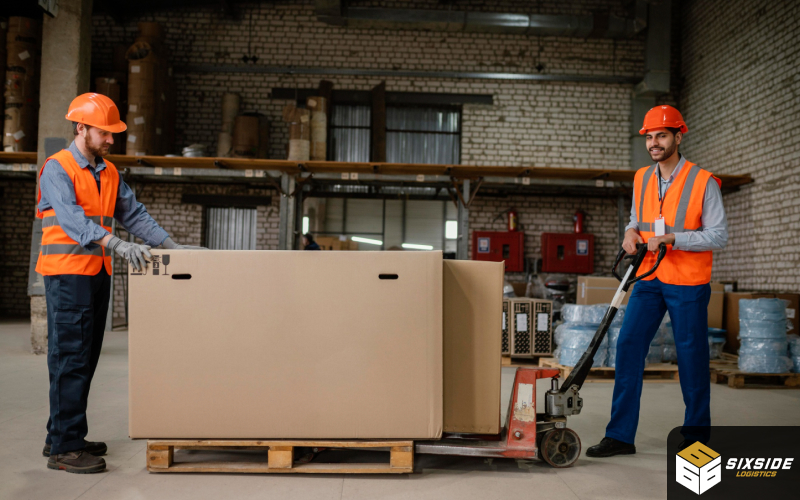
When it comes to logistics and shipping, two of the most common methods for loading containers are palletized vs floor-loaded containers. Both methods serve distinct purposes and come with their own set of advantages and challenges. Whether you are an importer, distributor, or e-commerce business owner in Canada or the U.S., understanding the difference between these two methods is essential to optimize your shipping operations, improve cost-efficiency, and ensure that your goods arrive safely.
In this comprehensive guide, we’ll dive deep into what palletized and floor-loaded containers are, how they differ, the benefits of each method, and when one might be more suitable than the other. We will also explore real-world examples, case studies, and actionable insights to help you make the best choice for your shipping needs.
What is a Palletized Container?
A palletized container refers to a container where goods are loaded onto pallets before being placed in the shipping container. Pallets are typically made from wood, plastic, or metal and provide a flat surface on which goods are stacked. Once the products are placed on the pallet, the entire pallet is loaded into the container. Palletized shipping offers a streamlined and organized way to transport products, especially those that require protection during transit.
Key Features of Palletized Containers:
- Goods are stacked on pallets: Items are organized in layers, reducing handling time and providing stability.
- Easier handling: Pallets make loading and unloading goods quicker and more efficient, as forklifts or pallet jacks can be used to move the entire pallet.
- Protection: Goods on pallets are often shrink-wrapped or strapped to prevent movement, offering more protection during transit.
Advantages of Palletized Containers:
- Efficiency: Since pallets are easy to stack and handle, they allow for faster loading and unloading. This is especially useful in high-volume shipping environments.
- Damage Reduction: The stability provided by pallets minimizes the chance of damage during transit. The stacking prevents goods from shifting, and shrink-wrapping keeps items tightly packed.
- Easy Inventory Management: With palletized shipping, it’s easier to track inventory. Each pallet can be individually labeled, making it simpler to manage stock and reduce errors.
- Security and Safety: Pallets offer a higher level of security for your goods, especially fragile items or goods that need extra care. The goods are protected from dirt, moisture, and handling damage.
When Should You Use Palletized Containers?
- When shipping fragile goods that need protection, such as electronics or glass.
- When using forklifts or other pallet-moving equipment for loading and unloading.
- For organized inventory where each pallet can be tracked individually.
- When speed and efficiency are essential in loading and unloading operations.
What is a Floor-Loaded Container?
A floor-loaded container refers to a shipping container where goods are placed directly on the floor of the container, without the use of pallets. Products are typically stacked or arranged based on their size, weight, and the space available in the container. Floor-loading does not involve the use of any intermediary structure like a pallet, and the goods are packed more densely to maximize space.
Key Features of Floor-Loaded Containers:
- No pallets involved: Goods are placed directly on the container floor, making this method more space-efficient in some cases.
- Manual handling: Without the use of forklifts or pallet jacks, floor-loaded containers often require manual handling for loading and unloading.
- Tighter packing: Floor-loading maximizes space by packing products tightly together, reducing wasted space inside the container.
Advantages of Floor-Loaded Containers:
- Cost-Effective: Floor-loading is often less expensive than palletized shipping because it eliminates the cost of pallets and the need for extra labor or equipment.
- Maximized Space: Floor-loading can allow for a higher density of goods in the container, potentially reducing transportation costs by utilizing more of the available space.
- Flexibility in Loading: Since products are loaded directly onto the container floor, there’s greater flexibility in how goods are arranged and packed.
When Should You Use Floor-Loaded Containers?
- When shipping large, bulky items that do not require the protection of pallets (e.g., furniture or large machinery).
- For low-cost shipping where the need for pallets and specialized equipment is minimized.
- When shipping goods in bulk that don’t need to be protected from movement or that are already secured for transport.
- For shipping non-perishable, durable goods that can withstand the conditions of direct floor loading.
Palletized vs Floor-Loaded Containers: Key Differences
The primary differences between palletized and floor-loaded containers come down to packaging, cost, efficiency, and the nature of the goods being shipped. Let’s take a closer look at the key distinctions:
| Aspect | Palletized Containers | Floor-Loaded Containers |
| Packaging | Goods are stacked on pallets. | Goods are placed directly on the container floor. |
| Space Utilization | Less efficient use of space due to the need for pallets. | Maximizes available space, especially for bulky items. |
| Cost | Higher cost due to pallets, shrink-wrap, and labor. | Generally lower cost, as no pallets or additional equipment are needed. |
| Loading Speed | Faster with forklifts or pallet jacks. | Slower, often requiring manual labor for loading and unloading. |
| Security | Offers more protection against damage. | Higher risk of damage due to lack of protection. |
| Handling | Easier and more efficient with mechanical equipment. | Requires manual labor or specialized handling tools. |
| Best For | Fragile goods, high-volume shipments, organized inventory. | Bulk, durable, or less fragile items, lower-cost shipping. |
Choosing Between Palletized and Floor-Loaded Containers
When deciding between palletized and floor-loaded containers, importers should consider factors such as the type of goods being shipped, shipping costs, and handling capabilities. Here’s a breakdown of when one might be more suitable than the other:
Choose Palletized Containers When:
- You need protection: If you’re shipping fragile or high-value goods that require protection from damage, palletized shipping is ideal.
- You need efficiency: If your operation requires quick loading and unloading with forklifts or other mechanical equipment, palletized containers will save you time.
- You have a variety of inventory: Palletized containers are better for shipments that require individual inventory tracking or separation of goods.
- You have specialized requirements: If you need to adhere to specific shipping or handling regulations, palletized shipping provides greater control over the process.
Choose Floor-Loaded Containers When:
- You’re shipping large, durable items: If your goods are robust and don’t require specialized protection, floor-loading may be the more cost-effective choice.
- Cost is a priority: For bulk shipments where minimizing shipping costs is a priority, floor-loaded containers can offer more space utilization without the added cost of pallets.
- You have space flexibility: If you can efficiently organize your products to maximize the container’s floor space, floor-loading could work well for you.
Case Study: How Palletized vs Floor-Loaded Containers Impacted a U.S. Importer’s Costs
Background
A U.S.-based importer of home goods, including furniture and decor, needed to choose between palletized and floor-loaded containers for shipping goods from overseas. Their main priorities were reducing costs and ensuring the goods arrived safely.
Solution
After a thorough analysis, the importer decided to use palletized containers for delicate items like glassware and porcelain while opting for floor-loaded containers for more durable furniture and larger decor items. This hybrid approach allowed them to maximize cost savings and reduce damage during transit.
Results
- Reduced Damage: Palletized containers helped minimize damage to fragile items like glass and ceramics, with fewer returns due to breakage.
- Lower Shipping Costs: By opting for floor-loading for bulkier, less fragile furniture, the company saved on packaging and handling costs.
- Faster Turnaround: Palletized containers helped speed up the unloading process, ensuring timely delivery of delicate goods.
FAQs About Palletized vs Floor-Loaded Containers
1. What is the main difference between palletized and floor-loaded containers?
The main difference is how the goods are loaded: palletized containers involve placing goods on pallets, while floor-loaded containers have goods placed directly on the floor of the container.
2. Which method is more cost-effective: palletized or floor-loaded?
Floor-loaded containers are generally more cost-effective since they do not require pallets, shrink-wrap, or additional labor for handling.
3. When should I use palletized containers?
Palletized containers are ideal when shipping fragile, high-value goods, or when fast and efficient unloading is required.
4. What type of goods are best suited for floor-loaded containers?
Floor-loaded containers are best for durable, non-fragile goods like furniture, bulk items, or construction materials that do not require extra protection.
5. Can both palletized and floor-loaded containers be used for international shipping?
Yes, both methods are commonly used for international shipping. The choice depends on the type of goods, cost considerations, and the specific shipping requirements.
Conclusion: Making the Right Choice for Your Shipping Needs
Understanding the differences between palletized and floor-loaded containers is essential for importers looking to optimize their shipping processes. While palletized containers offer greater protection, efficiency, and organization, floor-loaded containers can be more cost-effective for bulkier or more durable goods.
For businesses in Canada and the U.S., making the right choice between these two methods can have a significant impact on cost, speed, and product safety. By considering the type of goods being shipped, the cost of materials, and your operational needs, you can ensure that you’re using the most efficient and effective shipping method for your business.
Ready to optimize your shipping operations? Contact us today to learn more about palletized vs floor-loaded containers and how you can improve your logistics strategy.