
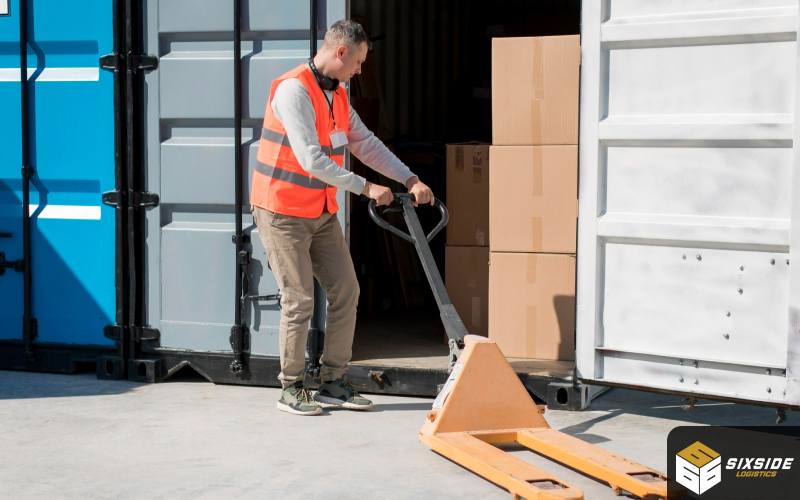
In the fast-paced world of logistics and supply chain management, businesses are always looking for ways to streamline their operations, reduce costs, and improve delivery times. One of the most effective strategies for achieving these goals is cross-docking. Cross-docking is a technique where goods are directly transferred from inbound transportation to outbound transportation, with minimal or no storage time. This practice has become a cornerstone in the supply chain for many industries, especially in sectors dealing with perishable goods or high-demand products.
In this blog, we’ll explore the best cross-docking practices that can help businesses in Canada and the USA improve operational efficiency, reduce costs, and ultimately boost customer satisfaction. Whether you’re an e-commerce business or a logistics provider, the insights shared here will provide actionable steps you can implement immediately.
What is Cross Docking?
Cross-docking is a logistics practice that involves the direct transfer of goods from incoming shipments to outgoing shipments with little or no storage time. It eliminates the need for warehousing, reducing time spent on inventory handling. The goods are unloaded at a cross-docking terminal and immediately transferred to outbound trucks, trains, or other transportation modes.
There are three main types of cross-docking:
- Direct Cross-Docking: Goods are directly transferred from inbound trucks to outbound trucks without any storage.
- Buffered Cross-Docking: Products are temporarily held at the dock until all shipments are ready for consolidation before being sent out.
- Consolidation Cross-Docking: Products from different suppliers are combined for delivery to the same destination.
Cross-docking is a powerful tool for businesses looking to enhance efficiency and reduce lead times in their logistics operations.
Benefits of Cross Docking in Supply Chain Management
Speed and Efficiency
The most significant advantage of cross docking is speed. By reducing the need for storing goods in warehouses, cross-docking accelerates the entire supply chain process. Products can be moved from inbound trucks directly to outbound trucks, significantly decreasing the time it takes for goods to reach their final destination. This speed is crucial for industries like e-commerce, where fast delivery times are key to customer satisfaction.
Reduced Inventory Holding Costs
One of the most immediate benefits of cross-docking is the reduction in inventory holding costs. Traditional warehousing involves storing products for extended periods, which requires significant investment in space, labor, and management systems. With cross-docking, products spend very little time in the warehouse, allowing businesses to minimize storage costs and improve cash flow.
Enhanced Customer Satisfaction
Faster delivery times and reduced shipping costs lead to improved customer satisfaction. When customers receive their orders quicker, they are more likely to return and recommend the business to others. Cross-docking is an essential strategy for businesses that aim to offer superior service without incurring excessive costs.
Lower Operational Costs
Since cross-docking reduces the need for long-term storage and inventory management, businesses can save on labor, warehousing equipment, and facilities. The reduction in handling time and space requirements directly translates to lower operational costs, which can be reinvested into improving other areas of the business.
Best Practices for Effective Cross-Docking
While cross-docking offers significant advantages, its success depends on how well it is implemented. Here are some best practices to ensure that your cross-docking operations are optimized for efficiency and cost savings.
Plan Your Cross-Docking Strategy
Before implementing cross-docking, it’s crucial to understand your supply chain and product flow. Some products, like perishable goods or high-demand items, benefit the most from cross-docking. Other products that require long-term storage or have unpredictable demand might not be ideal for this process.
- Identify Key Products: Focus on products that have consistent demand and require fast delivery.
- Determine the Right Cross-Docking Type: Choose between direct, buffered, or consolidation cross-docking based on your product types and business needs.
Invest in Technology
Technology is the backbone of efficient cross-docking operations. Warehouse Management Systems (WMS) and Transportation Management Systems (TMS) play a crucial role in streamlining the process.
- Real-Time Tracking: Use WMS and TMS to track the flow of goods in real-time. This ensures that products are moved quickly and efficiently, reducing the chances of delays.
- Automation: Consider automating certain processes, such as inventory management and order picking, to reduce human errors and speed up operations.
Streamline Your Facility Layout
A well-organized warehouse or cross-docking terminal is essential for minimizing delays and maximizing throughput.
- Optimize Docking Areas: Ensure that inbound and outbound docks are clearly separated and positioned to allow for smooth transitions.
- Reduce Handling: Design the layout to minimize the movement of goods. Ideally, products should be transferred from inbound to outbound without unnecessary handling.
Partner with Reliable Transport Providers
Cross-docking relies heavily on the efficient coordination between suppliers, transporters, and logistics providers. To ensure seamless operations, it’s essential to work with transport providers who can meet tight schedules and provide timely deliveries.
- Coordinate Schedules: Align inbound and outbound schedules to prevent delays. If inbound trucks arrive late, it can disrupt the entire cross-docking process.
- Build Strong Relationships: Work closely with transport providers to ensure that they understand the importance of meeting deadlines.
Ensure Employee Training and Safety
Cross-docking involves fast-paced operations that can lead to mistakes if employees are not properly trained. Ensure that your staff understands the process and the importance of each step.
- Training Programs: Regular training sessions are essential to familiarize employees with the best practices and technologies used in cross-docking.
- Safety Protocols: Since cross-docking involves high-speed operations, ensure that safety protocols are strictly followed to prevent accidents and injuries.
Common Challenges in Cross-Docking and How to Overcome Them
While cross-docking offers numerous benefits, there are challenges that businesses must be prepared to face. Here are some of the most common issues and how to address them.
Coordination Between Suppliers and Transporters
One of the most significant challenges is ensuring that goods arrive on time and are ready for outbound shipping. Poor communication between suppliers and transporters can lead to delays and inefficiencies.
- Solution: Use real-time communication tools and scheduling systems to keep all parties informed. A TMS can help synchronize inbound and outbound transportation schedules.
Lack of Inventory Visibility
Without proper visibility into inventory levels, businesses risk stockouts or overstocking, which can disrupt operations.
- Solution: Implement a WMS to provide real-time visibility into inventory levels and ensure that products are ready for cross-docking without delays.
Warehouse Layout Constraints
In some facilities, space limitations may prevent efficient cross-docking operations. Poorly designed layouts can lead to bottlenecks and slow down the process.
- Solution: Optimize the layout to minimize product handling. Ensure that docks are well-positioned, and flow paths are clear and efficient.
Managing Disruptions and Delays
Unexpected disruptions, such as transport delays or unforeseen supply chain issues, can cause chaos in cross-docking operations.
- Solution: Have contingency plans in place to address these disruptions. Flexibility in scheduling and additional buffer time can help mitigate delays.
Key Metrics to Measure Cross-Docking Success
To ensure that cross-docking operations are effective, businesses must track several key performance indicators (KPIs).
Turnaround Time
Measure the time it takes for products to move from inbound to outbound transportation. Short turnaround times are essential for maintaining efficiency and meeting customer expectations.
Cost per Unit
Track the cost of processing each unit through cross-docking. This helps identify areas where cost reductions can be made.
Order Accuracy
The accuracy of orders processed through cross-docking is critical to customer satisfaction. Measure the percentage of orders that are shipped correctly.
Inventory Turnover Rate
Cross-docking should help reduce the time inventory spends in the system. A high inventory turnover rate indicates that goods are being processed and shipped quickly.
Real-World Examples of Successful Cross-Docking Implementations
E-Commerce Business
One of the world’s largest e-commerce platforms has successfully implemented cross-docking to streamline its order fulfillment process. By using cross-docking, they were able to reduce lead times, improve delivery speed, and reduce storage costs for high-demand products.
Grocery Supply Chain
A large grocery retailer uses cross-docking for perishable goods like fresh produce. By using cross-docking, they can ensure that their products remain fresh while being delivered to stores faster, improving customer satisfaction.
Retail Distribution
A major retail chain has used cross-docking to handle seasonal stock, reducing the need for extensive storage and allowing for faster turnover of inventory.
FAQs on Cross-Docking Practices
What industries benefit most from cross-docking?
Cross-docking is particularly beneficial for industries dealing with high-demand, time-sensitive, or perishable goods, such as e-commerce, retail, grocery, and automotive.
How do I know if cross-docking is right for my business?
If your business requires fast-moving goods and minimal storage, cross-docking could be a good fit. It is ideal for businesses with predictable, high-volume demand.
What are the key factors to consider when implementing cross-docking?
Consider factors such as product type, transport provider relationships, warehouse layout, technology investment, and employee training.
Can cross-docking reduce my overall logistics costs?
Yes, by reducing inventory storage and handling costs, cross-docking can lead to significant savings in operational expenses.
How can technology enhance cross-docking operations?
Technology like WMS and TMS can improve real-time tracking, coordination, and inventory management, leading to smoother and faster cross-docking operations.
Conclusion
Adopting the best cross-docking practices is an excellent way to streamline your logistics operations, reduce costs, and improve customer satisfaction. By understanding the core principles of cross-docking and implementing the right strategies, your business can unlock significant efficiencies in its supply chain.
If you’re ready to improve your supply chain operations and implement effective cross-docking practices, contact us today for personalized solutions.