
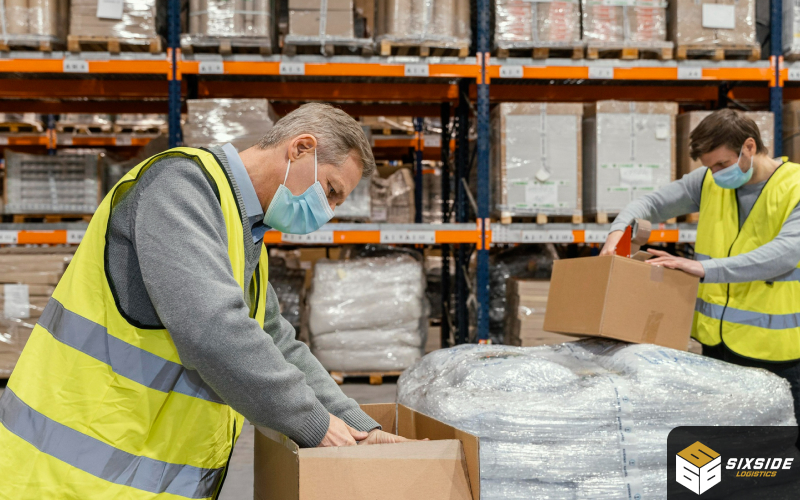
In supply chain management, small details create big outcomes. One of those details is repackaging. At first glance, repackaging may seem like a basic warehouse task. A product arrives damaged, outdated, mislabeled, or not ready for retail, so it gets repacked. Simple, right? Not exactly.
Repackaging in the supply chain plays a direct role in product protection, regulatory compliance, customer satisfaction, inventory accuracy, retail readiness, and shipping efficiency. For businesses in Canada and the USA, where customer expectations are high and cross-border logistics can be complex, repackaging can be the difference between a smooth delivery and a costly return.
That is why many growing businesses partner with a 3PL provider that offers professional repacking and kitting services as part of a broader fulfillment strategy.
What Is Repackaging in the Supply Chain?
Repackaging is the process of changing, replacing, repairing, consolidating, or customizing product packaging before goods move to the next stage of the supply chain.
This can include:
- Replacing damaged outer cartons
- Adding retail-ready packaging
- Applying new labels or barcodes
- Bundling products into kits
- Preparing items for e-commerce shipping
- Reworking imported products for Canadian or U.S. market requirements
- Consolidating multiple SKUs into promotional packs
In a modern warehouse, repackaging is not just manual labour. It works best when supported by a strong warehouse management system, real-time inventory visibility, and clear quality control processes.
Why Repackaging Is Important in the Supply Chain
1. It Reduces Product Damage and Returns
Damaged packaging creates doubt.
Even when the product inside is perfectly fine, a crushed box, torn label, or loose carton can make customers question product quality. In retail, it can lead to rejected shipments. In e-commerce, it can lead to negative reviews and returns.
Repackaging helps protect products before they reach the customer. This is especially important for fragile, high-value, seasonal, or imported goods that may pass through multiple handling points before final delivery.
For businesses dealing with storage, picking, packing, and fulfillment, better packaging control can improve the entire customer experience. This is one reason brands often review their warehouse storage solutions as they scale.
2. It Improves Compliance and Labelling Accuracy
Packaging is not only about presentation. It is also about compliance.
In the U.S., the FDA requires ingredient and allergen information on many packaged foods, and food labelling requirements apply to most prepared foods. In Canada, the Canadian Food Inspection Agency lists core labelling requirements such as bilingual labelling, common name, country of origin, date markings, allergen information, and net quantity.
That matters because products moving between Canada and the USA may need updated labels, over-labels, corrected barcodes, or revised packaging before they can be sold.
A professional repackaging process helps businesses avoid costly mistakes such as:
- Incorrect product labels
- Missing bilingual information
- Wrong barcode placement
- Damaged compliance labels
- Inconsistent SKU identification
If your business imports, exports, or sells through major retailers, repackaging can help keep products market-ready and audit-friendly.
3. It Supports Better Inventory Management
Repackaging directly affects inventory accuracy.
When items are relabelled, bundled, or converted into kits, each unit must be tracked correctly. Without proper systems, businesses can end up with incorrect stock counts, overselling, misplaced SKUs, or fulfillment delays.
That is why repackaging should be connected to strong inventory controls. If inventory issues are already hurting your operations, it may be worth reviewing common problems like the 5 common inventory mistakes businesses make as they grow.
Barcodes are also critical. GS1 notes that barcodes help supply chain partners automatically identify and track products as they move through the supply chain. When repackaging is done properly, barcode accuracy improves, warehouse teams pick faster, and retailers receive cleaner product data.
4. It Makes Products Retail-Ready
Retailers like Walmart, Costco, Amazon, and other large marketplaces often have strict requirements for packaging, labels, cartons, pallet configuration, and shipping presentation.
If products arrive in the wrong format, they may be delayed, rejected, or charged back.
Repackaging helps convert bulk, imported, or manufacturer-packed goods into retail-ready units. This may include display packaging, multipacks, sticker updates, carton changes, or marketplace-compliant labelling.
For brands selling into large retail channels, working with a reliable 3PL provider for retail fulfillment can reduce risk and improve speed to shelf.
5. It Enables Kitting, Bundling, and Promotions
Repackaging is essential for kitting.
Think about subscription boxes, holiday bundles, product launch kits, influencer mailers, sample packs, and promotional offers. These are not simply “packed.” They are assembled, checked, labelled, and prepared as a new sellable unit.
For example, a skincare brand may receive separate units of cleanser, toner, and moisturizer. Through repackaging and kitting, those products can become a three-piece starter bundle with branded packaging and a new SKU.
That creates more selling opportunities without changing the product itself.
This is especially useful for e-commerce businesses looking to increase average order value through bundles. It also supports smoother order fulfillment when kits are pre-assembled and inventory is tracked correctly.
6. It Improves Shipping Efficiency
Packaging affects shipping costs.
Oversized boxes, poor carton strength, empty space, and inefficient pallet layouts can increase freight expenses. Repackaging helps right-size shipments, consolidate products, and reduce unnecessary handling.
For businesses moving goods across North America, this can support better transportation planning and fewer damaged shipments. It also works well alongside services like cross-docking and container offloading, where speed and accuracy matter.
Practical Example: How Repackaging Helps an E-Commerce Brand
Imagine a growing e-commerce business imports home goods into Canada. Products arrive in master cartons from overseas. Some cartons are damaged during transit, labels are not suitable for Canadian retail, and the brand wants to sell two-item bundles online.
Without repackaging, the business may face delays, returns, compliance issues, and poor customer reviews.
With a 3PL repackaging workflow, the warehouse team can inspect goods, replace damaged cartons, apply correct labels, create bundles, update inventory, and prepare orders for fulfillment.
The result is simple: fewer errors, faster shipping, cleaner inventory, and a better customer experience.
When Should a Business Consider Repackaging Services?
You should consider professional repackaging if:
- Products often arrive with damaged cartons
- You sell through Amazon, Walmart, Costco, or retail channels
- You need kitting, bundling, or promotional packs
- You import goods that need new labels
- Your team is spending too much time fixing packaging problems
- Inventory errors are increasing
- Customer complaints mention damaged or poor packaging
If these issues sound familiar, your business may also be ready for broader third-party logistics support. Here are 7 signs your business needs third-party warehousing.
How to Choose the Right Repackaging Partner
Not every warehouse is equipped to handle repackaging properly. Look for a partner that offers:
Clear Quality Control
Every repackaging project should include inspection, documentation, and approval processes.
Inventory System Integration
Repackaged units, kits, and relabelled products must be updated accurately in the system.
Flexible Labour and Space
Seasonal spikes, promotions, and container arrivals often require scalable warehouse support.
Experience With Canadian and U.S. Markets
Cross-border logistics can involve different labelling, shipping, and retailer requirements.
Before choosing a provider, review these questions to ask before choosing a 3PL provider to make a more confident decision.
FAQs About Repackaging in the Supply Chain
What is repackaging in logistics?
Repackaging in logistics means changing, repairing, replacing, or customizing product packaging before goods are stored, shipped, sold, or delivered.
Why is repackaging important in supply chain management?
It helps reduce damage, improve compliance, support kitting, increase inventory accuracy, lower shipping inefficiencies, and create a better customer experience.
Is repackaging the same as kitting?
Not exactly. Repackaging focuses on changing or improving packaging. Kitting involves assembling multiple products into one sellable unit. Many 3PL warehouses offer both together.
Can repackaging help reduce returns?
Yes. Better packaging can reduce damage-related returns, improve presentation, and help customers receive products in better condition.
Do imported products need repackaging?
Sometimes. Imported products may need new labels, barcodes, bilingual information, retail-ready packaging, or carton changes before they can be sold in Canada or the USA.
Final Thoughts: Repackaging Is a Growth Tool, Not a Backup Plan
Repackaging is not just something businesses do when packaging goes wrong. It is a strategic supply chain function that protects products, supports compliance, improves fulfillment, and helps brands deliver a better customer experience.
As your business grows, packaging issues become harder to manage manually. The smarter move is to build repackaging into your warehousing and fulfillment process before small problems become expensive ones.
Six Side Logistics helps businesses across Canada and North America streamline warehousing, repacking, kitting, storage, fulfillment, and supply chain operations. Whether you are preparing products for retail, e-commerce, or cross-border distribution, the right logistics partner can save time, reduce errors, and help your business scale with confidence.
Ready to improve your packaging, fulfillment, and supply chain efficiency?
Contact Six Side Logistics today to discuss repackaging, kitting, storage, and fulfillment solutions built for your business.