
Introduction
Every imported product starts its journey inside a sealed steel box. Before you can sell it, someone has to open that box and move everything out safely. That job is container destuffing canada importers rely on, and it is just another word for unloading a shipping container.
Done well, it protects your goods and keeps your cash flow moving. Done badly, it causes damage, delays and extra fees. In this guide, you will learn how the process works, how long it usually takes, and how to prepare. We will also cover what happens to your goods afterward.
Container Destuffing Canada: How the Process Works
Think of destuffing as a careful handoff. Your goods move from the container to the warehouse floor, and every step should be recorded. Here is how a typical job runs.
Step 1: Booking and Pre-Arrival Planning
Your warehouse needs to know what is coming and when. Share the container number, expected arrival date, product type and how the goods were loaded. Good container destuffing services will ask for this information first, so the right crew and equipment are ready on the day.
Step 2: Pickup and Arrival
The container is trucked from the port or rail yard to the warehouse. Your customs broker should confirm that it has cleared and that no holds are in place. Without that clearance, the container cannot be released.
Step 3: Opening, Inspecting and Unloading
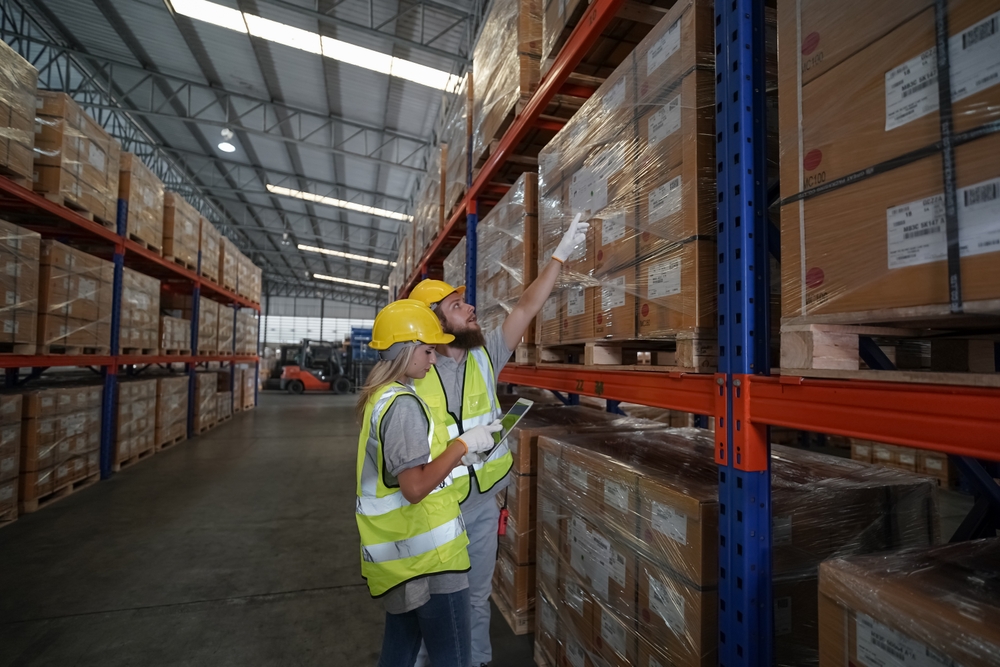
The crew checks the seal number and takes photos before opening the doors. Then they unload the goods by hand or with equipment such as forklifts and pallet jacks. Any visible damage is noted right away.
Step 4: Counting, Labelling and Putaway
Workers count the cartons or pallets and compare them with your packing list. Then they label the goods and move them into storage or onto outbound orders. This count is your proof if something is missing or damaged.
Container Destuffing Canada Timelines: What to Expect
Most people want a simple answer: how long will it take? The honest answer is that it depends. Still, you can plan around a few clear factors.
Palletized vs. Floor-Loaded Freight
Palletized containers unload much faster because forklifts can lift whole pallets at once. Floor-loaded containers, where cartons are stacked loose from floor to ceiling, take longer. Each box must be handled by hand. A container that unloads in a few hours when palletized may need a full day or more when floor-loaded.
Other Things That Affect Timing
A few other details can add time:
- The number of SKUs (different products) in the container
- Whether goods need sorting, labelling or photos
- Customs inspections or document delays
- Appointment availability at the warehouse
A realistic plan covers more than the unloading itself. Allow time for trucking, check-in, counting and putaway. Many importers also build in a small buffer in case something goes wrong.
Why Port Proximity Matters
The closer your warehouse is to the terminal, the less time your container spends in transit and the fewer extra charges you may face. This is the main appeal of portside warehousing, where your goods are received near the port. It can also help you avoid long waits for trucks, which can lead to storage or demurrage fees from the shipping line.
What Happens After Unloading: Sorting, Repacking and Kitting
Unloading is only the first step. Often, your goods are not ready to sell the moment they leave the container. They may need to be split into smaller lots, relabelled or bundled.
When You Need Repacking
Maybe a supplier shipped products in bulk cartons, but you sell them in packs of two. Or perhaps outer boxes were crushed in transit. A repackaging warehouse handles these jobs for you, from swapping damaged packaging to adding retail labels.
Kitting and Bundling
Kitting means combining several items into one ready-to-ship set. For example, a skincare brand might bundle a cleanser, a toner and a cream. Doing this right after unloading saves a step and speeds up future orders.
Quality Checks
Many importers also ask for spot checks while goods come out of the container. You can compare a sample against your approved product. If something looks wrong, you can talk to your supplier early instead of discovering the problem after customers complain.
Handling Heavy and Oversized Freight
Not every container is full of light cartons. Furniture, machinery parts, building materials and large appliances all need special care. They are hard to lift, easy to damage and sometimes dangerous to move.
Equipment and Training
Heavy loads need the right gear, such as forklifts with the correct capacity, clamps and ramps. Trained operators matter just as much as the machines. Ask any warehouse how it handles weight limits and tip-over risks before you commit.
Delivering Bulky Orders
Once the goods are unloaded, you still need to get them to customers. A heavy product fulfillment service picks, packs and ships large items, including the pallet-sized orders that standard parcel carriers will not accept. It helps to plan the shipping method before the container arrives, so you are not scrambling later.
Choosing a Warehouse Location: Why the GTA Is a Popular Choice
Canada’s busiest import and trucking routes pass through southern Ontario. That is why many importers look at warehousing in gta when they need a base for receiving containers. It gives you quick access to major highways, plus a large customer market within a short drive.
Questions to Ask Any Warehouse
Before choosing a provider, ask these questions:
- Do you unload both palletized and floor-loaded containers?
- How do you record damage and shortages?
- Can you store my goods short-term or long-term?
- How do I track my inventory once it is received?
- What will unloading cost, and what could change the price?
Costs usually depend on container size, loading style, labour time and any extra handling. Ask for a clear written quote so there are no surprises.
Why Choose Six Side Logistics
Six Side Logistics offers container offloading, cross-docking, repacking and kitting, and order fulfillment for businesses that import into Canada. Our team can unload your container, check it against your documents and move your goods into the next step. Because everything happens under one roof, you deal with one partner instead of several. We also offer flexible storage and logistics options that can grow with your business.
FAQs
How long does container destuffing take?
It depends on the load. A palletized container can be unloaded in a few hours, while a floor-loaded one may take a full day or longer. Product count, inspections and customs holds can also change the timeline. Ask your provider for an estimate before the container arrives.
What documents do I need before my container arrives?
You will usually need the bill of lading, packing list, commercial invoice and customs release confirmation. Your warehouse may also ask for the container number and arrival date. Having these ready helps the team schedule labour and avoid delays at the door.
Can I store my goods after the container is unloaded?
Yes, most warehouses offer both short-term and long-term storage. You can keep stock until orders come in, or move it straight to customers. Ask about storage rates, inventory tracking and how soon you can ship so you can pick the right plan.
Conclusion
Smooth container destuffing canada shippers can count on comes down to good planning, clear communication and careful handling. Know your loading style, share your documents early, and ask about timelines and costs up front. If your goods need repacking, bundling or heavy-item handling, plan for that as well.
Ready to take the stress out of your next import? Contact Six Side Logistics for a free quote and find out how we can handle your container from arrival to shipment.