
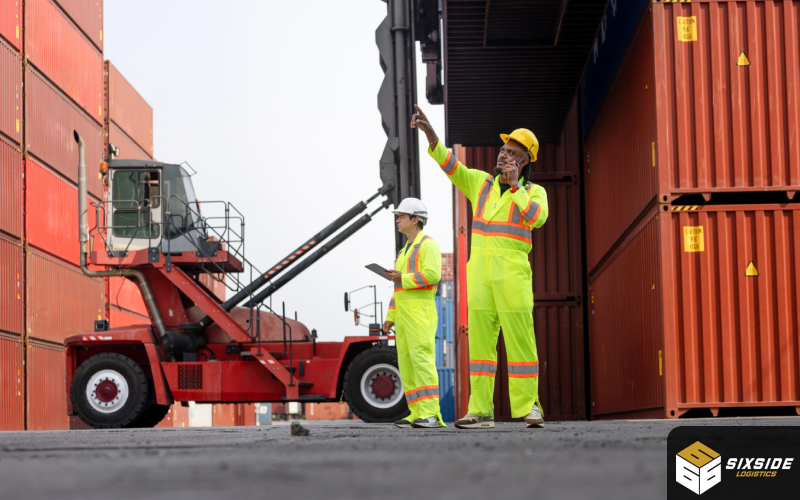
Efficient container offloading is crucial for ensuring smooth operations in logistics and supply chain management. It involves unloading goods from shipping containers and moving them to their next destination, whether that’s a warehouse, retail store, or directly to a customer. However, despite its importance, the process of offloading containers can pose various risks. These risks can lead to delays, damage to goods, or even injury to workers, which can significantly impact the efficiency and profitability of a business.
In this comprehensive guide, we’ll explore the biggest risks in container offloading and provide actionable insights on how to avoid them. We’ll discuss the potential dangers involved, best practices for mitigating these risks, and provide case studies and examples that illustrate how businesses in Canada and the U.S. can streamline their offloading process while reducing exposure to risk.
What is Container Offloading?
Container offloading refers to the process of unloading goods from shipping containers after they have arrived at their destination. This step is essential in moving goods from the shipping container to their next stage in the supply chain, whether it be to a storage facility, directly to customers, or for further processing. Efficient container offloading is key to reducing time delays, preventing damage to goods, and ensuring that inventory is available when needed.
Common Risks in Container Offloading
While offloading goods is a routine part of the shipping process, several risks can arise, particularly when proper protocols aren’t followed. Understanding and mitigating these risks are crucial for ensuring the safety of both the goods and the workers involved. Below are the most common risks that businesses face during container offloading and how to avoid them.
1. Cargo Damage
Cargo damage is one of the most significant risks in container offloading. Improper handling, stacking, or securing of goods can lead to scratches, dents, and even complete destruction of the items. For example, fragile goods like electronics, glass, or ceramics can easily break during mishandling or if they are not properly cushioned within the container.
How to Avoid Cargo Damage:
- Use appropriate equipment: Make sure you’re using the right tools for offloading. Forklifts, pallet jacks, or cranes must be suitable for the size and weight of the cargo.
- Ensure proper packing: Goods should be adequately packed and secured inside containers to prevent shifting during transit. Adding padding or cushioning materials can provide added protection.
- Inspect the cargo regularly: Perform regular checks to ensure items are being unloaded properly. Workers should be trained to identify any signs of potential damage during the unloading process.
2. Injury to Workers
The physical nature of offloading goods can put workers at risk of injuries. These injuries can range from minor cuts and bruises to more severe accidents, such as broken bones or even fatalities, particularly when heavy equipment is involved. Lifting heavy items without the proper techniques or equipment can strain muscles and lead to long-term injuries, while improper operation of forklifts or cranes can lead to more serious accidents.
How to Avoid Worker Injuries:
- Provide proper training: All workers should be trained in safe offloading practices, including lifting techniques, equipment operation, and recognizing potential hazards.
- Use safety gear: Ensure that all workers are wearing the appropriate safety equipment, such as helmets, gloves, steel-toe boots, and reflective vests.
- Implement safety protocols: Establish strict safety protocols, such as ensuring that heavy lifting is always done with appropriate equipment like forklifts or cranes and that these machines are operated by trained personnel only.
3. Overloaded Containers
An overloaded container can be hazardous both during transport and offloading. If a container is carrying more weight than it’s designed to handle, it can lead to shifting or imbalance during unloading. This can cause the load to become unstable, which increases the risk of product damage or injuries.
How to Avoid Overloaded Containers:
- Ensure accurate weight calculations: Make sure that the weight of the container and its contents is accurately calculated before the offloading process. Use scales and accurate measurement tools to verify the total weight.
- Proper weight distribution: When containers are loaded, ensure that the weight is evenly distributed to avoid instability during offloading.
- Monitor compliance with weight limits: Follow regulations and guidelines for the maximum weight capacity of containers, especially if you’re operating in ports or customs zones that have strict regulations.
4. Shipping Delays Due to Inefficiency
Offloading delays can lead to significant disruption in the supply chain. Whether due to equipment failure, inadequate labor, or inefficient processes, delays in the offloading process can cause products to miss deadlines, resulting in late deliveries, lost sales, and unhappy customers.
How to Avoid Delays:
- Streamline processes: Implement a clear, standardized offloading procedure that includes clear roles, responsibilities, and workflows to minimize delays.
- Invest in technology: Leverage Warehouse Management Systems (WMS) to track the offloading process in real time, which helps identify bottlenecks and optimize workflows.
- Have backup equipment and labor: Ensure that there’s sufficient equipment and trained personnel available in case of unforeseen issues, such as equipment malfunction or worker shortages.
5. Poorly Managed Inventory After Offloading
Once goods are offloaded, they need to be properly categorized, tracked, and stored. Failing to manage inventory effectively after offloading can lead to disorganized warehouses, misplaced goods, or incorrect stock levels, which can delay order fulfillment or lead to customer dissatisfaction.
How to Avoid Poor Inventory Management:
- Utilize real-time tracking: Implement barcode scanning or RFID technology to help track goods as they are offloaded and ensure accurate inventory management.
- Designate specific offloading zones: Create specific areas for unloading different types of goods. This helps keep things organized and reduces the risk of misplaced items.
- Train warehouse staff: Ensure that warehouse personnel understand the importance of proper inventory management, and establish clear procedures for recording and storing goods.
Best Practices to Mitigate Risks in Container Offloading
To ensure that your business avoids the common risks associated with container offloading, it’s essential to implement best practices that safeguard both goods and workers. Here are a few strategies that businesses can use:
1. Proper Planning and Coordination
Proper planning and coordination can prevent many risks before they arise. This includes planning the offloading process in advance, ensuring that the necessary equipment and personnel are available, and verifying that all safety measures are in place.
- Coordinate with logistics providers to ensure that offloading equipment and personnel are aligned with the arrival of the container.
- Schedule regular maintenance on equipment like forklifts and cranes to reduce the chance of mechanical failure.
2. Regular Safety Audits
Conduct regular safety audits to ensure compliance with safety regulations and identify any potential hazards in the offloading process. Safety audits help ensure that workers are adhering to safety protocols and that equipment is functioning correctly.
- Hire external safety consultants if needed to audit your processes and provide additional recommendations.
- Conduct routine checks on offloading zones and make sure that hazards, such as poor lighting or slippery floors, are addressed.
3. Employee Training and Certifications
Invest in training and certifications for all employees involved in container offloading. Having skilled workers can significantly reduce the risks associated with handling heavy goods, operating equipment, and managing inventory.
- Certify forklift and crane operators to ensure they are skilled in the safe operation of equipment.
- Provide ongoing safety training to keep workers informed about new protocols and best practices.
4. Use Technology to Optimize Offloading
Leveraging technology such as WMS, automation, and real-time tracking systems can help businesses streamline the offloading process and reduce human error. Real-time data also enables better communication, ensuring that all stakeholders are updated about the status of goods and potential delays.
Case Study: How Cross-Docking Reduced Risks for a Canadian Retailer
Background
A Canada-based retailer dealing with bulk inventory faced multiple challenges during offloading at their distribution center. Delays and damaged goods were common due to inefficient handling, lack of proper training, and poor inventory management.
Solution
The retailer decided to implement a cross-docking system at their facility, which reduced the time goods spent in the warehouse. They also invested in forklift operator training, implemented real-time inventory tracking, and used RFID to better manage goods as they were offloaded.
Results
- Reduced damage rates by 35%, thanks to better handling and training.
- Improved offloading efficiency, cutting delays by 20%.
- Better inventory control, ensuring that products were properly tracked and placed in the correct locations immediately after offloading.
FAQs About Container Offloading Risks and Mitigation
1. What are the most common risks in container offloading?
The most common risks include cargo damage, worker injuries, overloaded containers, delays, and poor inventory management.
2. How can worker injuries be minimized during container offloading?
By providing proper training, using the right safety gear, and following strict safety protocols, you can reduce the risk of injuries during offloading.
3. How does technology improve container offloading?
Technology like real-time tracking, RFID, and WMS can improve accuracy, reduce handling errors, and optimize offloading efficiency.
4. Why is inventory management important after offloading?
Effective inventory management ensures that products are stored correctly and accounted for, reducing the risk of misplacement and ensuring faster order fulfillment.
5. How can cross-docking help reduce risks in offloading?
Cross-docking reduces warehousing time and allows for faster movement of goods directly from incoming to outgoing shipments, minimizing the risk of delays and damage.
Conclusion: Mitigating Risks in Container Offloading for Safer, Faster Logistics
Container offloading is a critical step in the supply chain, but it comes with its own set of risks. By understanding the potential hazards involved and implementing best practices such as proper training, safety protocols, and technology businesses in Canada and the U.S. can significantly reduce these risks.
Whether it’s preventing cargo damage, ensuring worker safety, or improving inventory management, taking proactive steps can enhance your operations, boost efficiency, and protect your bottom line.
Ready to optimize your offloading process? Contact us today to learn how our solutions can help mitigate risks and streamline your container offloading operations.