
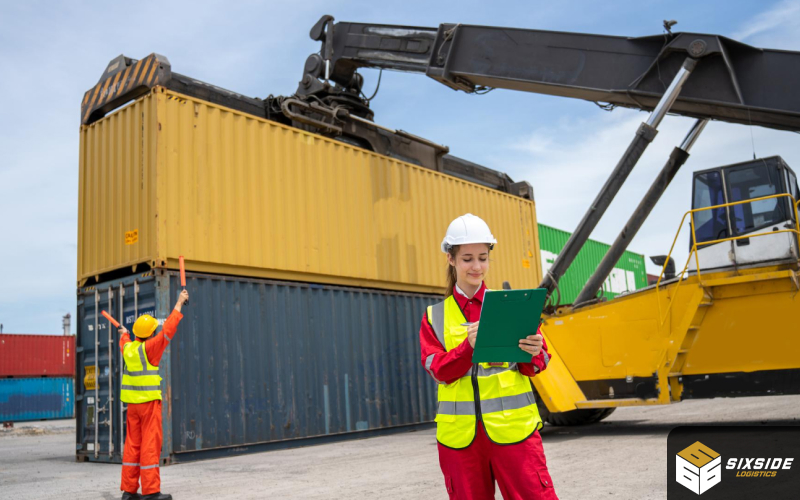
Best Practices for Safe, Efficient Container Unloading
Container unloading is a vital operation in supply chains, directly impacting the efficiency, safety, and productivity of warehouses and distribution centers. Whether you’re overseeing a high-volume warehouse in Canada or the USA, mastering the art of safe and efficient container unloading is crucial for success. In this post, we will share top strategies, expert tips, and actionable insights to help you optimize this process while prioritizing both safety and speed. Let’s dive in!
Why Container Unloading Practices Matter
Unloading containers might seem like a routine task, but it plays a pivotal role in the smooth functioning of your operations. Without streamlined processes and a focus on safety, container unloading can become a bottleneck, leading to delays, safety hazards, and increased operational costs. By adopting the best practices for safe and efficient unloading, you’ll significantly enhance productivity and reduce risks.
Key Challenges in Container Unloading
Before diving into the best practices, it’s essential to recognize the key challenges that warehouse managers face during container unloading:
- Workplace Safety: Container unloading can be hazardous if workers are not trained properly or if equipment is outdated.
- Equipment Malfunctions: Poorly maintained or inefficient unloading equipment can cause significant delays and even accidents.
- Space Limitations: In many warehouses, space is tight, and disorganized unloading areas can slow down the process.
- Unorganized Cargo: Containers that are poorly packed or have items that are difficult to access lead to longer unloading times and higher risk of damage.
By understanding these challenges, you’ll be better equipped to address them head-on with the right best practices.
Best Practices for Safe, Efficient Container Unloading
Let’s explore some of the most effective strategies for making your container unloading process faster, safer, and more efficient.
1. Empower Your Workforce with Proper Training
Training your team is the foundation for a successful unloading operation. When your workers are well-trained, they can perform tasks more efficiently, safely, and confidently. Make sure to cover the following areas during training:
- Safety Standards: Ensure workers are familiar with handling hazardous materials, proper lifting techniques, and the use of personal protective equipment (PPE).
- Technology Integration: If you’re using advanced systems or automated tools, train your team on how to operate them to maximize productivity.
- Efficient Workflows: Educate workers on best practices for organizing cargo, prioritizing loads, and managing time effectively during unloading.
A well-trained team is the backbone of a safe and productive warehouse, leading to smoother operations and fewer accidents.
- Equip Your Warehouse with the Right Tools
Upgrading and maintaining high-quality unloading equipment is key to improving the efficiency of the unloading process. Some must-have tools for optimizing unloading include:
- Forklifts and Pallet Jacks: Choose forklifts that have a weight capacity suitable for your cargo. This ensures faster unloading and prevents overloading equipment, reducing the risk of breakdowns.
- Conveyor Systems: Automated conveyors can drastically speed up the unloading process, reducing manual labor and improving efficiency.
- Dock Levelers: Dock levelers make it easier to bridge the height gap between containers and the unloading area, minimizing the risk of accidents and facilitating smoother cargo transfer.
By investing in the right equipment, you’ll see a dramatic improvement in the speed and safety of your unloading operations.
3. Organize the Unloading Process for Maximum Efficiency
An organized unloading process ensures that items are handled quickly and safely. Here’s how you can make the process more efficient:
- Prioritize Critical Shipments: Unload the most time-sensitive items first. This will allow you to fulfill orders faster and minimize delays.
- Group Similar Items Together: Unloading similar items together streamlines the process and makes it easier to move goods to the correct storage location.
- Clear Pathways: Keep unloading areas clean and free from obstacles. This ensures that workers can move around safely, reducing the risk of accidents and improving overall productivity.
A well-organized unloading process not only reduces delays but also enhances worker morale and safety.
4. Embrace Technology for Real-Time Tracking and Monitoring
Leveraging technology can transform the container unloading process, making it both safer and more efficient. Here’s how tech can help:
- RFID and Barcode Scanning: With RFID tags and barcode scanning systems, you can track the movement of goods in real-time, ensuring that the unloading process is transparent and efficient.
- Warehouse Management Systems (WMS): By integrating your unloading operations with a WMS, you can automate inventory updates, track goods, and eliminate the risk of human error.
- Predictive Analytics: Using predictive analytics, you can forecast delays and bottlenecks, enabling you to proactively address potential issues before they impact your workflow.
Integrating technology into your operations doesn’t just streamline processes, it helps create a smarter, more efficient workflow that delivers faster results and greater accuracy.
5. Prioritize Safety at All Times
When it comes to container unloading, safety is non-negotiable. Accidents and injuries not only harm employees but can also lead to costly downtime and lost productivity. Here’s how to keep safety at the forefront:
- Proper PPE: Ensure that your team always wears the right personal protective equipment, including gloves, helmets, safety glasses, and steel-toe boots.
- Regular Safety Audits: Conduct routine safety audits to ensure that unloading processes are in line with industry standards and regulations.
- Equipment Inspections: Regularly inspect forklifts, cranes, and unloading machinery to ensure everything is in optimal working condition and minimize the risk of malfunction.
By maintaining high safety standards, you not only protect your employees but also improve operational efficiency and reduce the likelihood of costly accidents.
6. Optimize Your Warehouse Space for Streamlined Unloading
Proper space utilization is essential for improving the efficiency of container unloading. A well-organized unloading area can speed up the process and prevent unnecessary delays. Here are some tips for maximizing space:
- Designated Unloading Zones: Set up specific unloading zones that allow for easy sorting and placement of goods.
- Staging Areas: Create areas where items can be temporarily stored for sorting or processing before they are moved to their final location.
- Vertical Storage Solutions: Use shelving and pallet racking to maximize vertical space, reducing congestion and improving accessibility.
Optimizing your space helps keep the unloading process smooth and ensures that goods are handled quickly and safely.
Frequently Asked Questions (FAQs)
Q1: What are the common safety risks in container unloading?
Safety risks include falling objects, back and lifting injuries, trips and falls due to clutter, and equipment malfunctions.
Q2: How can I speed up the unloading process in a high-volume warehouse?
Invest in automated systems, organize your workflow, prioritize urgent shipments, and ensure your unloading area is well-maintained and free of obstacles.
Q3: What equipment is crucial for efficient container unloading?
Key equipment includes forklifts, conveyor systems, pallet jacks, dock levelers, and safety barriers.
Q4: How often should unloading equipment be checked for safety?
Unload equipment should undergo regular checks at least once a month or after significant unloading operations to ensure it’s in good condition.
Conclusion: Take Charge of Your Container Unloading Process
By implementing these best practices, you’ll transform your container unloading operations into a safer, more efficient, and more productive process. Whether you’re upgrading your equipment, streamlining workflows, or embracing new technology, every improvement leads to better performance and greater success.
Ready to Revolutionize Your Container Unloading?
Now that you’ve learned the essential strategies for efficient and safe container unloading, it’s time to take action! Start implementing these best practices in your warehouse today and enjoy the benefits of improved productivity, reduced costs, and a safer working environment for your team.