
Introduction
Imagine a truck arrives at a warehouse, and its freight is on another truck heading to customers within hours. No long shelf time, no extra handling. That is the idea behind cross docking mississauga businesses use to move goods faster and cut storage costs.
Ontario importers deal with tight delivery windows and rising handling costs. Cross docking can help with both. In this guide, you will learn what it is, how the process works, and why Mississauga is a popular spot. You will also see when it makes sense for your business.
How Cross Docking in Mississauga Works
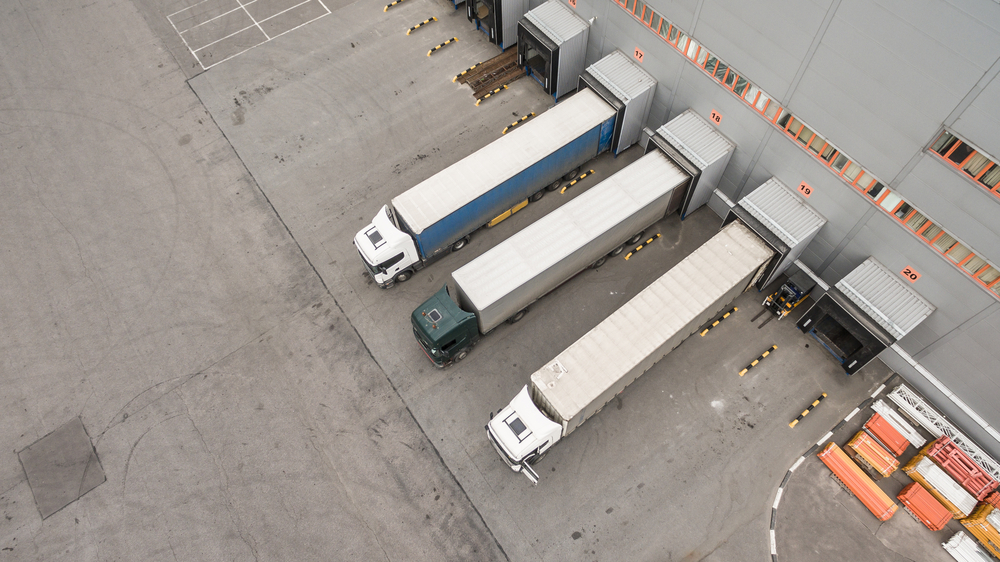
Cross docking means moving freight from an incoming truck or container straight to an outgoing truck, with little or no storage in between. Think of it as a transfer station for your goods. The warehouse acts as a busy handoff point instead of a long-term home.
Step 1: Inbound Arrival
Your shipment arrives by truck or container, and the team checks it against your paperwork. They confirm the count, look for damage and scan or label the goods. A reliable cross dock service records all of this so you have proof of what came in.
Step 2: Sorting
Next, the crew sorts freight by destination, customer or delivery route. Mixed pallets may be broken down and rebuilt. This is the heart of the process, and good labelling prevents mistakes.
Step 3: Outbound Loading
Sorted goods move straight to the outbound dock and onto waiting trucks. The whole cycle often takes hours or a day or two, depending on volume and paperwork. The exact time varies by shipment, so ask your provider for an estimate.
Why Mississauga Is a Popular Location
Mississauga sits right next to Toronto Pearson Airport and major highways. That includes the 401, 403, 407 and QEW. Trucks can reach the rest of Ontario, Quebec and the U.S. border without long detours.
Closeness to Ports and Customers
Many imports reach Canada through major ports and then travel by truck or rail into Ontario. A cross dock mississauga location puts your goods close to a huge customer base. Shorter drives mean faster deliveries and fewer fuel and labour costs.
Access to Skilled Labour and Carriers
The area has a deep pool of carriers, drivers and warehouse workers. That makes it easier to find capacity during busy seasons. For importers, this flexibility matters when container arrivals do not follow a neat schedule.
Cross Docking vs. Traditional Warehousing
Traditional warehousing stores goods on shelves until an order comes in. Cross docking skips most of that storage. Each approach solves a different problem.
What Changes at the Dock
At a standard warehouse, goods are received, put away, stored, picked and shipped. That is many touches. A modern cross docking facility cuts out the storage and picking steps, so freight moves quickly from door to door.
Pros and Cons
Cross docking works best when you already know where goods are going. Benefits include:
- Less storage space needed
- Fewer handling steps, which lowers damage risk
- Faster delivery to retailers and customers
It also has limits. You need accurate shipping details, and timing matters. If trucks arrive late or paperwork is missing, freight may sit and cause delays.
When to Use Cross Docking in Mississauga
Cross docking is not for every business. It fits best when your goods have a clear next destination. Here are common cases where Ontario importers use it.
Retail and Big-Box Deliveries
Large retailers often want shipments split into store-ready orders on tight schedules. Cross docking lets you receive one big load and break it into smaller deliveries quickly. This helps you meet delivery windows without paying for long storage.
Seasonal and High-Volume Peaks
During busy periods, such as the holidays, goods need to move fast. Instead of filling shelves, you can send freight on right away. It helps if you want to avoid long-term storage fees.
Serving Customers Across the GTA
If your buyers are spread out, cross docking toronto and nearby areas becomes a simple way to reach them. Goods arrive in Mississauga, get sorted by delivery zone and head out in the right trucks. Planning routes ahead of time keeps this smooth.
When It May Not Fit
If you need long-term storage, frequent returns or lots of repacking, a standard warehouse may be better. Many businesses mix both. They use cross docking for fast-moving goods and storage for the rest.
What to Look For in a Cross Dock Partner
Choosing the right provider is as important as choosing the method. A poor partner can cause delays that undo the benefits.
Questions to Ask
Before you sign, ask:
- How do you receive, count and record freight?
- What is your typical turnaround from arrival to departure?
- Can you handle both palletized and loose freight?
- How do you communicate delays or damage?
- What extra services, like labelling or repacking, are available?
Look for providers whose cross dock services link well with fulfillment and storage. That way, you can add services as your needs change. Also ask for a clear written quote so you know what drives the cost.
Why Choose Six Side Logistics
Six Side Logistics offers cross docking along with container offloading, repacking and kitting, storage and order fulfillment. Our team helps importers move goods from arrival to delivery with clear communication at each step. As a cross docking company in Canada, we focus on careful handling, accurate records and flexible service that fits your volume.
FAQs
How long does cross docking take?
It depends on volume, sorting needs and paperwork. Many shipments move through in hours or a day or two, since goods are not stored long. Delays can happen if documents are missing or trucks arrive late, so share details early.
Is cross docking cheaper than warehousing?
Often, yes, because you pay for less storage and fewer handling steps. But the best option depends on your freight. If goods sit for weeks, regular storage may fit better. Ask for a quote that compares both options.
What do I need to start?
You will usually need a shipping schedule, a packing list, delivery instructions and labelling details. Your provider may also ask for contact details for carriers and receivers. Clear information up front helps the team plan labour and avoid delays.
Conclusion
Cross docking mississauga importers can use gives you faster delivery, lower storage costs and fewer handling steps. It works best when you know where your goods are headed and can plan the timing. For long-term storage or heavy repacking, you may need a mix of services.
Ready to move your freight faster? Contact Six Side Logistics for a free quote and find out whether cross docking fits your next shipment.