
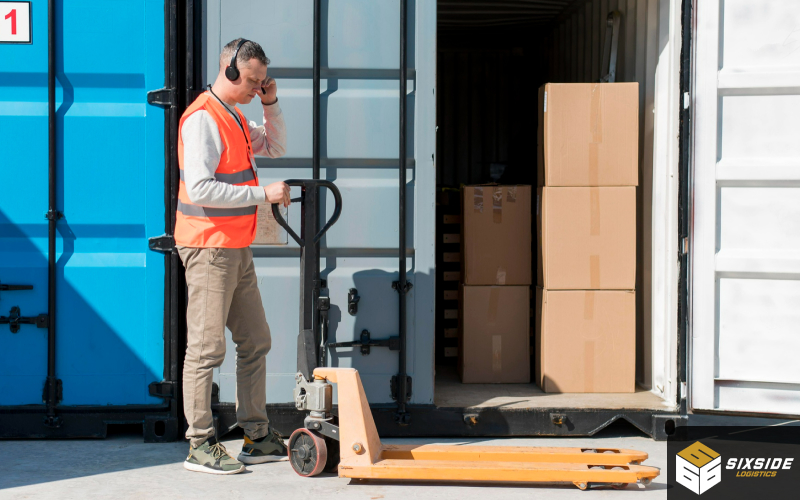
Managing container unloading during high-volume seasons can feel overwhelming, but it doesn’t have to be. For businesses in Canada and the USA, preparation is the key to transforming busy periods into smooth, efficient operations.
With the right planning, systems, and container offloading strategy in place, your business can handle shipment surges with confidence, speed, and safety while maximizing efficiency and minimizing risk.
In this guide, we’ll explore actionable insights and expert strategies to help you plan for high-volume container unloading. You’ll learn how to prepare your warehouse, workforce, equipment, and technology so your operations stay seamless, cost-effective, and safe.
Why High-Volume Seasons Affect Container Unloading
During peak periods such as holidays, seasonal sales, retail promotions, or product launches, the number of shipments coming into your warehouse can increase dramatically. This surge in inventory presents unique challenges.
Overcrowded Unloading Zones
More containers mean less space to unload efficiently, which can lead to delays, confusion, misplaced products, and slower putaway.
Higher Risk of Damage
Increased volume raises the likelihood of rushed handling, product damage, and wasted resources. Proper unloading and storage management can help reduce these risks.
Increased Labour Demands
Seasonal spikes in shipments often require temporary labour, which may not be trained in your regular unloading, sorting, or safety processes.
However, by preparing ahead of time, you can transform these challenges into opportunities. With the right systems, processes, and workforce in place, your warehouse can handle increased volume while maintaining productivity during high-volume seasons.
Steps to Plan Container Unloading for High-Volume Seasons
1. Maximize Your Warehouse Space and Unloading Zones
Proper planning starts with optimizing the physical space in your warehouse. When containers arrive in bulk, you need to ensure unloading areas are clear, spacious, and organized.
Expand and Organize Unloading Zones
Designate Temporary Spaces: For high-volume periods, create additional unloading zones to handle increased container traffic. This helps avoid bottlenecks, streamline workflows, and prevent unnecessary delays.
Implement Vertical Storage Solutions: When space is tight, utilize vertical storage options such as tall shelving and pallet racks to free up floor space and improve organization.
By organizing unloading zones effectively, you create a smooth, safe, and efficient workflow that reduces downtime and makes it easier to manage inventory during peak periods. Businesses preparing for seasonal volume should also evaluate their warehouse storage solutions to ensure they have enough flexible space.
2. Leverage Technology for Real-Time Tracking and Efficiency
Technology can greatly enhance your container unloading process. By using digital tools, your team can work smarter, stay ahead of delays, and improve accuracy.
Use a Warehouse Management System
A warehouse management system allows your team to track goods as they are unloaded, sorted, staged, and moved into storage or fulfillment.
Key benefits include:
- Real-time inventory updates
- Faster receiving
- Better stock visibility
- Reduced manual errors
- More accurate putaway
- Improved order readiness
Real-Time Inventory Tracking
A WMS allows for real-time updates to your inventory as goods are unloaded. This helps avoid stock discrepancies, provides real-time data for better decision-making, and improves efficiency.
Using real-time inventory tracking is especially important during high-volume seasons because inventory moves quickly and errors can become expensive fast.
Automated Processes
Many WMS solutions offer automated processes for stock allocation, receiving, labeling, and order picking. These features can significantly speed up unloading and storage operations during seasonal surges.
Implement Barcode Scanning and RFID Technology
Barcode scanning and RFID tags can help you track goods as they come off the container, reducing human errors and speeding up the unloading process. This technology ensures that each item is logged and moved to its appropriate storage space quickly.
To learn more about improving operational speed through digital tools, explore how technology improves warehouse efficiency.
3. Train and Manage Your Workforce Effectively
A well-trained team is the backbone of an efficient unloading process, especially during high-volume seasons. Whether you’re working with temporary workers or experienced staff, proper training is essential for success.
Early Training for Seasonal Workers
Comprehensive Onboarding: Before the season starts, ensure your team is well-versed in unloading procedures, equipment usage, product handling, labeling, and safety protocols.
Safety Training: Emphasize safety during the unloading process, especially with high volumes. Provide workers with the tools and procedures they need to operate equipment safely and prevent injuries.
Optimize Labour Scheduling
Increase Staff Flexibility: During peak seasons, you may need to adjust staffing levels. Schedule workers based on predicted shipment volume so you have enough people available without overwhelming your team.
Cross-Training: Cross-train your staff to perform multiple tasks. This flexibility allows you to adjust quickly if unexpected challenges arise.
If your business is struggling to manage labour, storage, and inbound volume internally, it may be time to consider support from a 3PL provider.
4. Ensure Equipment Readiness and Availability
Having the right equipment is crucial during high-volume unloading periods. Unloaders, forklifts, pallet jacks, dock plates, conveyors, scanners, and staging equipment must be fully operational to keep your warehouse running smoothly.
Pre-Season Equipment Inspections
Check Equipment Performance: Prior to peak season, inspect all unloading equipment to ensure it is functioning correctly. This includes forklifts, conveyor systems, pallet jacks, and scanning devices.
Upgrade or Rent Equipment: If your existing equipment is not enough for the surge in volume, consider renting additional equipment or upgrading to more advanced machines to meet seasonal demand.
Automate Where Possible
Automation tools such as conveyor systems, barcode scanning, automated sortation, and digital receiving workflows can speed up the unloading process. Investing in automation not only saves time but also reduces the likelihood of human error.
For businesses that need goods moved quickly from inbound to outbound shipping, cross-docking can also help reduce storage time during busy seasons.
5. Plan for Contingencies and Flexibility
Even with careful planning, unexpected issues can arise. Being ready for the unexpected ensures you can quickly adjust without causing major disruptions.
Build Buffer Time into Your Schedule
Allow Extra Time: High-volume periods can be unpredictable. Always factor in buffer time for delays such as late shipments, bad weather, customs slowdowns, labour shortages, or equipment malfunctions.
Flexibility in Shifts: Offer flexible shifts and the ability to extend working hours if necessary. This helps you meet tight deadlines without overwhelming your staff.
Prepare for Labour Shortages
Backup Staff Resources: If temporary labour shortages occur, have backup workers or staffing agencies lined up. This ensures you are not left without enough personnel to handle incoming volume.
If managing seasonal volume has become a recurring challenge, review these questions to ask before choosing a 3PL provider to evaluate whether outsourcing could improve your operation.
6. Use Lean Management Principles to Maximize Efficiency
Lean management focuses on eliminating waste and optimizing processes, making it ideal for managing high-volume unloading efficiently.
Streamline Unloading Operations
Create a Value Stream Map: Map the flow of goods from container unloading to storage, repacking, fulfillment, or outbound shipping. Identify bottlenecks, duplicate handling, and unnecessary movement.
Continuous Improvement: Encourage staff to provide feedback on how to streamline unloading. Small improvements, such as better staging zones or clearer labeling, can create major efficiency gains over time.
If goods need to be prepared after unloading, such as bundling, relabeling, or promotional assembly, repacking and kitting can help move products faster from inbound receiving to customer-ready inventory.
7. Connect Unloading With Fulfillment Planning
High-volume unloading should not be planned separately from fulfillment. Once goods are received, they need to move quickly into storage, order processing, retail distribution, or outbound delivery.
A smooth connection between unloading and order fulfillment helps businesses:
- Make inventory available faster
- Reduce warehouse congestion
- Improve delivery timelines
- Avoid stockouts
- Support eCommerce and retail demand
- Reduce unnecessary handling
For eCommerce brands, this is especially important during holidays, promotions, and seasonal sales when customer expectations are high.
Frequently Asked Questions
How do I speed up container unloading during high-volume seasons?
To speed up unloading, focus on optimizing space, using technology like WMS and RFID, training your team early, preparing equipment, and creating clear unloading workflows. Efficiency improves when space, people, systems, and equipment work together.
What safety precautions should I take during high-volume unloading?
Make sure all staff wear proper PPE, are trained in safe unloading techniques, and follow equipment safety protocols. Regular safety reviews, clear traffic lanes, and proper lifting procedures can help prevent accidents during peak seasons.
How can I ensure temporary workers are effective during peak times?
Start training early, provide clear job instructions, assign experienced supervisors, and use simple visual workflows. Cross-train workers where possible so they can adapt to different roles during busy periods.
Should I outsource container unloading during peak season?
If your team lacks labour, space, equipment, or systems to manage seasonal volume, outsourcing can help. A logistics partner can support container unloading, storage, repacking, kitting, cross-docking, and fulfillment.
How does warehouse storage affect container unloading speed?
Poor storage planning creates bottlenecks after unloading. If there is no space to stage, sort, or put away inventory, containers take longer to process. Flexible storage planning helps keep goods moving efficiently.
Conclusion: Successfully Manage Container Unloading for High-Volume Seasons
High-volume seasons do not have to be a source of stress or disruption. By planning ahead and focusing on warehouse organization, technology, workforce training, equipment readiness, and contingency planning, you can manage container unloading efficiently even during the busiest periods of the year.
The key is preparation. When your unloading zones are clear, your systems are connected, your staff is trained, and your inventory flow is organized, your business can handle shipment surges with confidence.
Ready to streamline your container unloading process? Contact Six Side Logistics today to learn how container offloading, warehousing, fulfillment, cross-docking, repacking, and inventory solutions can help your business prepare for high-volume seasons.