
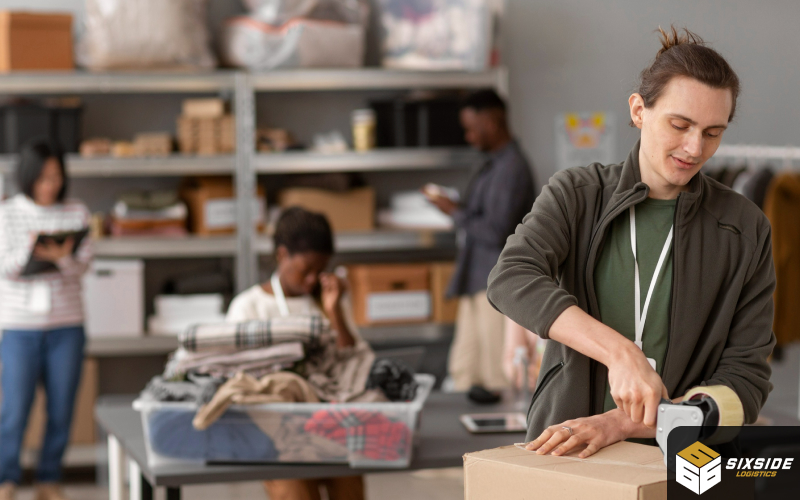
In the competitive world of retail, the presentation of products on the shelves plays a crucial role in attracting customers and driving sales. One often-overlooked strategy that significantly improves how products are displayed is repacking. Whether you’re a manufacturer, distributor, or retailer, repacking and kitting offer multiple benefits, from enhancing shelf presentation to optimizing the customer experience.
In this comprehensive guide, we will explore how repacking improves shelf presentation and customer experience, providing actionable insights on why businesses in Canada and the U.S. should incorporate this practice into their logistics and retail strategies.
What is Repacking?
Repacking refers to the process of removing products from their original packaging and placing them into new, often more retail-friendly packaging. This can be done to modify the packaging design, consolidate products for easier sale, or make the product more attractive to consumers.
Repacking is a common practice in the retail and wholesale industries, particularly when preparing products for shelf display, promotional packaging, or compliance with retail requirements. It involves tasks such as:
- Repackaging: Changing the packaging design to align with retail shelf space requirements.
- Resizing: Combining multiple units into larger or smaller packs based on demand.
- Rebranding: Updating the packaging to reflect current branding or product changes.
The ultimate goal of repacking is to create packaging that is easier for customers to interact with, increases visibility on shelves, and improves overall shopping convenience. For brands managing high product volumes, repacking is even more effective when supported by reliable warehouse storage solutions and organized inventory control.
How Repacking Enhances Shelf Presentation
The way products are displayed on shelves can directly influence purchasing decisions. Poorly packaged or hard-to-read labels can make a product blend into the background, while well-presented items catch the eye and create a sense of quality.
Repacking plays an essential role in optimizing shelf presentation, and here’s how:
1. Optimizing Packaging for Visibility
One of the primary goals of repacking is to make products stand out on the shelf. Whether you’re repackaging products for retail chains or independent stores, shelf-ready packaging is a key factor in improving visibility. Shelf-ready packaging is designed to be easy to stock, grab attention, and showcase the product in its best light.
Repacking can improve visibility by:
- Designing packaging that highlights key product features
- Using larger, bold fonts or bright colours that attract attention
- Incorporating clear labelling to help consumers quickly identify key benefits, such as organic ingredients or new features
By improving the packaging, you make it easier for customers to spot your product among competitors, which can directly lead to more sales. Businesses selling through major retailers can also benefit from working with a logistics partner experienced in supporting retail giants like Costco, Walmart, and Amazon.
2. Standardizing Packaging for Consistency
Consistency is important when it comes to brand identity and shelf organization. Repacking ensures that products across various categories follow a consistent format. This uniformity not only strengthens the brand image but also makes it easier for retailers to organize products on the shelf.
For example, a food brand repackaging its products into uniform boxes with clear branding can create an organized and clean display. This organized structure makes it easier for customers to navigate the shelf, identify the product, and quickly make a purchasing decision.
A strong warehouse management system can also support this process by helping businesses track repacked inventory, manage SKUs, and reduce errors during storage and fulfillment.
3. Maximizing Shelf Space Efficiency
Retail shelf space is limited, and optimizing how products are presented can make a big difference. Repacking allows products to be placed in a way that maximizes shelf space, whether by reducing the number of packaging sizes or consolidating smaller items into bundles. This helps retailers utilize their shelf space more effectively, which can lead to increased product visibility and sales.
For instance, bundling smaller items, such as snacks or travel-sized toiletries, into one larger package is an excellent way to maximize shelf space and reduce clutter. By using repacking strategies, businesses can ensure that products are grouped together in an efficient and appealing manner.
This also connects directly to better storage management, because properly packed and organized products are easier to store, locate, replenish, and ship.
4. Enhanced Appeal with Special Promotions
Repackaging is often used for seasonal promotions or special offers, such as limited-time packaging or festive designs. These promotional packages can attract customers looking for something unique or different, adding excitement to the shopping experience.
A holiday-themed packaging redesign, for example, can help a brand stand out during the busiest shopping season of the year. By using repacking for these purposes, businesses can drive sales while aligning the packaging with promotional objectives.
For brands launching bundles, gift sets, or promotional packs, repacking and kitting services can help assemble products accurately and prepare them for retail shelves or direct-to-consumer fulfillment.
How Repacking Improves the Customer Experience
Beyond improving shelf presentation, repacking can significantly enhance the overall customer experience. Customers want to feel that they are getting value for their money, and the right packaging can influence their perception of the product.
Here’s how repacking directly benefits the customer:
1. Improved Convenience and Usability
Repackaging products for easier use or access can significantly enhance the customer experience. For example, repacking bulky or awkwardly packaged items into smaller, more manageable formats can make it easier for customers to use the product as intended. This type of customer-centric packaging can help drive repeat business.
A good example of this is convenience packaging for food products. Repackaging a set of pre-cooked meals into smaller, single-serve portions makes it easier for customers to use them without having to open an entire package. This small detail can create customer satisfaction and encourage repeat purchases.
For e-commerce brands, convenience also extends to how quickly and accurately products arrive. That is where professional order fulfillment can strengthen the customer experience from warehouse to doorstep.
2. Better Product Protection and Quality Assurance
Repacking can also be used to improve product protection and ensure that items remain in perfect condition until they reach the consumer. Whether you’re dealing with fragile items, perishables, or electronics, repackaging products into more secure containers ensures they’re protected from damage during transit and while sitting on store shelves.
For example, if a product comes in a flimsy, easily breakable package, repacking it into a sturdier, more protective package can reduce breakage rates and improve customer satisfaction.
Businesses receiving imported goods or bulk shipments may also need repacking after container offloading to inspect products, replace damaged cartons, and prepare inventory for storage, retail, or fulfillment.
3. Aligning with Consumer Expectations and Trends
In today’s market, consumers are increasingly aware of packaging sustainability and eco-friendliness. Repackaging allows businesses to align with these expectations by using recyclable or biodegradable materials that appeal to environmentally conscious consumers. Offering eco-friendly packaging not only improves the customer experience but also strengthens your brand’s reputation as a sustainable business.
For instance, beauty brands are repacking their skincare products into eco-friendly containers to appeal to a growing base of environmentally aware consumers. This helps build trust and loyalty with customers who value sustainability.
To support sustainability and efficiency, businesses should also maintain accurate stock visibility through real-time inventory tracking, helping reduce overstock, waste, and unnecessary product movement.
4. Creating a Memorable Brand Experience
Effective repacking can also enhance the emotional appeal of the product. The experience of unboxing a product can be just as important as the product itself. By designing aesthetically pleasing, thoughtful packaging, businesses can create an emotional connection with their customers, making them more likely to share their experience and recommend the product.
For example, premium chocolate brands often invest in luxurious, beautifully designed packaging to create a memorable unboxing experience. This not only improves the customer experience but can increase word-of-mouth marketing and brand loyalty.
Brands that need a complete logistics partner can also benefit from exploring why companies choose Six Side Logistics for supply chain needs, especially when packaging, warehousing, and fulfillment all need to work together.
Case Study: How Repacking Helped a U.S. Retailer Improve Shelf Presentation and Customer Experience
Background
A U.S.-based health and wellness company that sold dietary supplements faced challenges with their shelf presentation in retail stores. Their products were in basic, unappealing packaging, making them blend in with competitors’ products and resulting in low visibility and sales.
Solution
The company decided to invest in repacking its products into sleek, modern packaging with larger labels, clear branding, and vibrant colours. They also grouped products into bundles, such as vitamins and supplements that worked well together, to increase perceived value.
This type of workflow is especially effective when supported by a logistics provider that understands warehouse storage for business, inventory organization, and retail-ready preparation.
Results
- Increased Sales: After repackaging, the products stood out more on store shelves, leading to stronger sales performance.
- Enhanced Customer Experience: Consumers found the new packaging easier to read and more attractive, enhancing their overall shopping experience.
- Improved Brand Perception: The new packaging elevated the brand’s image, making it appear more premium and aligning with the target market’s expectations.
Benefits of Repacking for Your Business
Repacking offers numerous advantages that can benefit your business, whether you are a manufacturer, distributor, or retailer.
Here’s a quick summary of the key benefits:
- Improved Shelf Visibility: Better packaging makes your product stand out on shelves, leading to higher customer attention and increased sales.
- Enhanced Customer Experience: Repacking makes products easier to use, more aesthetically pleasing, and aligned with consumer expectations.
- Cost-Efficiency: Repacking products in bulk can reduce packaging costs and improve shipping efficiency.
- Brand Strengthening: Consistent, attractive packaging reinforces your brand identity and helps build customer loyalty.
- Sustainability: Repackaging with eco-friendly materials allows you to meet the growing demand for sustainable business practices.
- Better Inventory Control: Repacking can support cleaner SKU organization when paired with strong inventory management practices.
If repacking is becoming difficult to manage in-house, it may be time to evaluate whether your company needs support from a third-party warehousing provider.
FAQs About Repacking and Shelf Presentation
1. Why is repacking important for shelf presentation?
Repacking ensures that products are packaged in a way that maximizes shelf visibility, enhances brand recognition, and catches the customer’s eye, ultimately helping improve sales performance.
2. How does repacking improve customer experience?
Repacking improves the customer experience by making products easier to use, more convenient to store, and more visually appealing, creating a better shopping or unboxing experience.
3. What are the main benefits of repacking for businesses?
Repacking can lead to increased sales, better inventory management, improved shelf presence, reduced shipping costs, and a stronger brand identity.
4. Can repacking be used for promotional purposes?
Yes, repacking is often used for seasonal promotions, special offers, product bundles, or limited-edition packaging to attract customers during peak shopping periods.
5. Is repacking cost-effective for small businesses?
Yes, repacking can be cost-effective for small businesses, especially if it helps improve product visibility and sales without the need for significant infrastructure investments. Small businesses can also work with a 3PL provider to access repacking, storage, and fulfillment support without building a full warehouse operation.
Conclusion: Repacking as a Strategy for Success
In today’s competitive retail environment, repacking is more than just a packaging solution; it’s a powerful strategy for improving shelf presentation and enhancing the customer experience. Whether you are looking to increase your product’s visibility, streamline your inventory management, or provide customers with a better overall shopping experience, repacking can help you achieve all of these goals.
By investing in quality repackaging that reflects your brand’s identity and meets customer expectations, businesses in Canada and the U.S. can drive sales, improve customer loyalty, and stay ahead of the competition.
Ready to enhance your product packaging and improve your customer experience? Contact Six Side Logistics today to learn how repacking, kitting, warehousing, and fulfillment solutions can help elevate your brand and boost sales.